


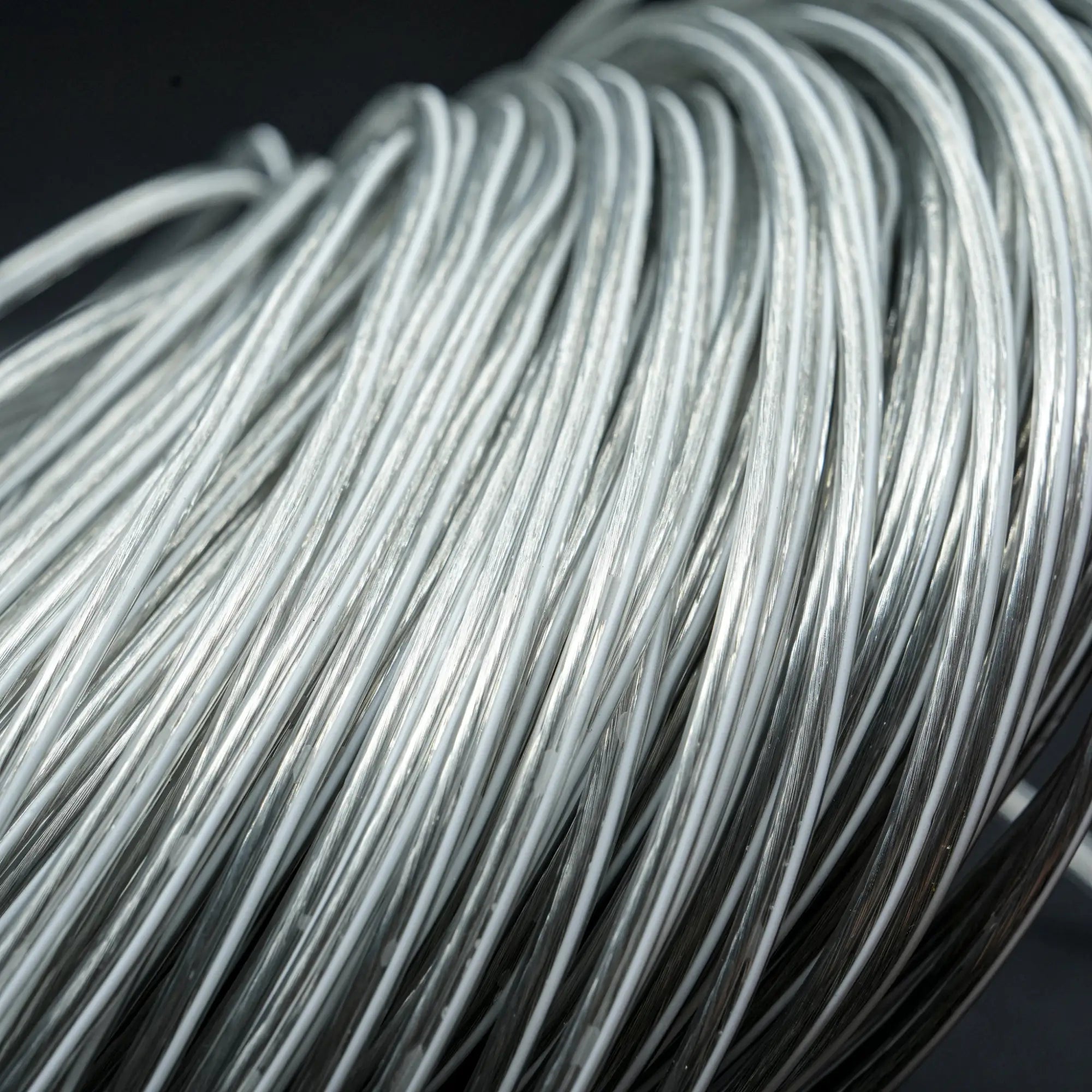
Whether you're working on electrical projects or crafting intricate setups, knowing how to properly connect wires is essential for safety and efficiency. In this detailed guide, we'll walk you through two common methods: soldering and using Wago connectors. We'll also emphasise the importance of maintaining consistent wire polarity to ensure your connections work seamlessly.
Materials You'll Need:
- Wires to be connected
- Soldering iron and solder (if soldering)
- Wago connectors (if using)
- Wire stripper or cutter
- Dual Adhesive Heat shrink tubing (if soldering)
- Electrical tape (if using)
- Multimeter (for polarity verification)
Method 1: Soldering Wires
Step 1: Prepare the Wires
- Strip about 1 cm of insulation from each wire using a wire stripper.
- Twist the exposed wire strands to prevent fraying.
- For safety, we recommend the wires are feathered to ensure the opposing wires do not touch.
Step 2: Solder the Wires
- Heat your soldering iron and apply a small amount of solder to the tip.
- Hold the wires together with their stripped ends aligned.
- Touch the soldering iron's tip to the wires, allowing the heat to melt the solder and create a strong bond between the wires.
Step 3: Insulate with Heat Shrink Tubing (This step can be done before step 2 to make a more streamlined connection)
- Slide a piece of heat shrink tubing over the soldered area.
- Use a heat gun to shrink the tubing, providing insulation and protection to the solder joint.
Method 2: Using Wago Connectors
Step 1: Prepare the Wires
- Strip about 1 cm of insulation from each wire.
- Insert the stripped wires into the appropriate Wago connector slots (same polarities). Ensure each wire is securely inserted.
Step 2: Secure the Wires
- Press down on the orange lever of the Wago connector. This will securely clamp the wires in place.
Step 3: Verify Polarity
- Use a multimeter to verify that the wire polarity is consistent between the connections.
- Connect the multimeter probes to the corresponding wires to ensure positive (+) and negative (-) match.
General Tips:
- Weatherproofing: Employing electrical tape is an effective method for swiftly safeguarding your connection against environmental factors. Exercise caution, as any openings can pose potential hazards.
-
Maintain Consistent Polarity: To prevent electrical issues, ensure that the wires' polarity (positive and negative) matches correctly when connecting them. A reversed polarity can lead to equipment damage or malfunction.
-
Safety First: Always work in a well-ventilated area, and take necessary precautions to avoid burns when soldering. If using Wago connectors, handle them carefully to prevent any accidental damage.
-
Practice Good Wire Management: Keep the wire connections tidy by using cable ties, conduit, or other wire management solutions.
-
Test Your Connections: Before finalising your project, test the connected wires using appropriate electrical equipment to verify that the connections are functioning as intended.
-
Wear Safety Gear: When soldering, protect your hands with gloves and your eyes with safety goggles to prevent accidental burns or splashes.
By following this guide, you'll be able to confidently and safely connect wires using both soldering and Wago connectors while maintaining proper polarity. This skill will prove invaluable for a wide range of electrical and DIY projects.




Share: